
The 5 Most Popular Semi Trucks in America: What Every Trucker Should Know
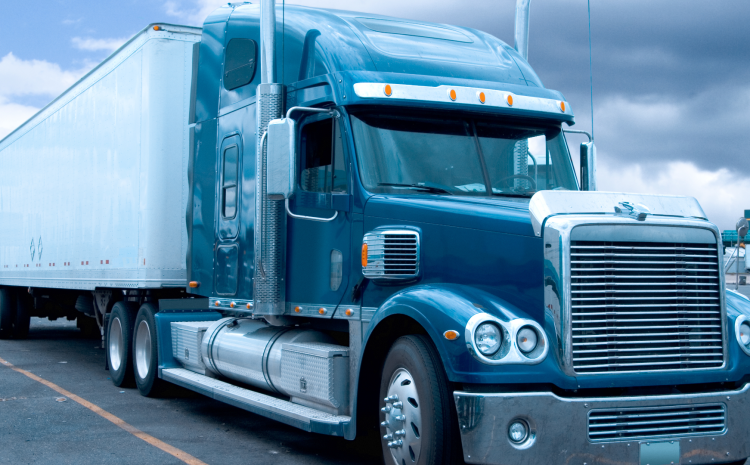
Every owner-operator and fleet manager has a preference when it comes to their rig. Some swear by the classic look of a long-nose Kenworth. Others want the fuel savings and low maintenance costs of a Freightliner Cascadia. But beyond personal taste, the trucks you choose affect your insurance rates, your maintenance budget, your fuel costs, and your resale value down the road.
Here are the five most popular semi trucks in America ranked by market share, along with what makes each one stand out — and what you should know from an insurance and operating cost perspective.
1. Freightliner — 38% Market Share
Freightliner isn’t just the most popular semi truck in America — it dominates the market by a wide margin. With roughly 38% of all Class 8 truck sales in the U.S., Freightliner sells more than the next two competitors combined. The brand is a division of Daimler Truck, the German company that also owns Western Star.
The Freightliner Cascadia is the workhorse behind those numbers. It’s the truck you see most on American highways, and for good reason. The Cascadia’s aerodynamic design delivers strong fuel economy, its Detroit engines pump out up to 600 horsepower, and its cab is built for long-haul comfort. Freightliner also has one of the largest dealer and service networks in the country, which means less downtime when something breaks.
For owner-operators watching their bottom line, Freightliner hits a sweet spot between purchase price, operating cost, and resale value. The Cascadia consistently ranks among the most actively traded trucks on the secondary market, which means you’re not stuck with a truck nobody wants to buy when it’s time to upgrade.
Freightliner is also pushing into the future with its eCascadia electric model, offering up to 230 miles of range for regional haul operations.
2. Peterbilt — 15% Market Share
Peterbilt is arguably the most recognized name in American trucking. That red oval logo with white script lettering has crossed over from the trucking industry into mainstream culture — you’ll find Peterbilt hats and apparel at truck stops, retail stores, and across the internet. The brand is part of the PACCAR family alongside Kenworth, and it holds roughly 15% of the U.S. market.
The Peterbilt 579 is the brand’s primary long-haul model, offering a smooth ride, premium interior, and strong fuel economy. For the traditional trucker who wants a classic conventional-style cab, the Peterbilt 389 carries on the legacy of the legendary 379 — one of the most beloved semi trucks ever built.
Peterbilt trucks are known for their build quality, driver comfort, and excellent resale value. They’re often the truck of choice for owner-operators who take pride in their equipment and plan to keep it for years. The brand commands a price premium at purchase, but that premium tends to come back when it’s time to sell or trade.
3. Kenworth — 14% Market Share
Kenworth is the other half of the PACCAR family, and it consistently runs neck-and-neck with Peterbilt in sales. Kenworth holds about 14% of the American market, and its reputation is built on premium build quality, powerful PACCAR MX engines, and trucks that hold up through punishing miles.
The Kenworth T680 is the brand’s flagship long-haul model, designed with aerodynamics in mind to improve fuel efficiency. For drivers who want the classic look, the W900 remains one of the most iconic trucks on the road — that long-nose hood and distinctive styling have made it a favorite among owner-operators for decades.
Kenworth trucks tend to cost more upfront than Freightliners, but they also tend to hold their resale value better and develop fewer recurring maintenance issues over time. Drivers who buy Kenworths generally stay loyal to the brand, and that’s reflected in consistently strong demand on the used truck market.
Kenworth is also investing in alternative powertrains, including the T680E electric model with a range of up to 150 miles for regional operations.
4. International — 11% Market Share
International, manufactured by Navistar (now owned by Traton Group, a Volkswagen subsidiary), has been producing trucks since 1902 — making it one of the oldest names in American trucking. The brand holds about 11% of the U.S. market and offers a range of trucks from medium-duty to heavy-duty Class 8.
The International LT Series is the brand’s primary long-haul offering, powered by a Cummins X15 engine that produces up to 565 horsepower and 2,050 lb-ft of torque. Drivers appreciate the improved visibility, comfortable cab, and smooth handling that International has become known for in recent years.
One word of caution that experienced truckers will echo: the earlier Prostar models equipped with the MaxxForce engine had significant reliability issues. International has moved past that era, but it’s worth noting if you’re shopping for a used International. The newer LT and LoneStar models with Cummins power have restored the brand’s reputation for dependability.
International also maintains one of the most extensive dealer networks in North America, with nearly 1,000 outlets across the U.S., Canada, and Mexico.
5. Volvo — 10% Market Share
Volvo holds roughly 10% of the American heavy-duty truck market — an impressive position for a Swedish manufacturer competing against established American brands. Volvo also owns Mack Trucks, which adds another 8% market share to the Volvo Group’s total footprint in the U.S.
The Volvo VNL is the brand’s flagship in North America, known for its safety features, fuel efficiency, and driver-friendly cab design. Volvo has built its reputation around advanced technology — features like collision mitigation systems, adaptive cruise control, and real-time fleet management platforms come standard or are readily available across the lineup.
Volvo trucks tend to appeal to fleets and drivers who prioritize safety, technology, and long-term reliability over raw power or traditional styling. The brand is also one of the most aggressive in pushing electric and alternative fuel trucks, including the VNR Electric for regional operations.
For the record, Volvo’s global reach is massive — they’re the second-largest heavy-duty truck manufacturer in the world. Their presence in the U.S. may sit at fifth place, but the engineering, safety standards, and build quality reflect a company that builds trucks for markets all over the planet.
How Your Truck Choice Affects Your Insurance
Most truckers don’t think about insurance when they’re picking their next rig, but they should. The truck you drive directly affects what you’ll pay for physical damage coverage, and it can influence your liability premium too.
A newer, higher-value truck costs more to insure for physical damage simply because it costs more to repair or replace. A 2024 Peterbilt 579 will carry a higher physical damage premium than a 2018 Freightliner Cascadia — even if both trucks are in great shape. On the flip side, newer trucks with advanced safety technology like automatic emergency braking and lane departure warnings can qualify for safety discounts with certain carriers.
The truck’s age also matters. Older trucks may have lower physical damage premiums, but they can also be harder to insure if they’re past a certain age threshold — some carriers won’t write physical damage on trucks older than 15 years.
If you’re buying a truck and want to understand how it will impact your insurance costs before you commit, give State & Co a call at (980) 475-8075. We can give you a ballpark on coverage costs for the specific truck you’re considering so there are no surprises after you sign the paperwork.